SEO

SEO

2026 में सीखने वाली 10 Digital Skills: Future Career के लिए कौन-सी Skills सीखें?

# 2026 में सीखने वाली 10 Digital Skills: Future Career के लिए कौन-सी Skills सीखें? डिजिटल दुनिया में career बनाने के लिए हर tool सीखना जरूरी नहीं; सही skill चुनकर लगातार अभ्यास करना ज्यादा काम आता है। 2026 में AI, online business, data, security और engaging content की जरूरत अलग-अलग क्षेत्रों में दिखती है। इस guide में दस skills का अर्थ, सीखने के विषय, शुरुआती रास्ता, tools और practical career या freelance उपयोग सरल Hindi/Hinglish में दिए गए हैं। समय के अनुमान व्यक्ति के अभ्यास, पहले के अनुभव और project की जटिलता के अनुसार बदलेंगे—ये नौकरी की गारंटी नहीं हैं। ## 1. AI और Generative AI AI ऐसे systems और methods का व्यापक क्षेत्र है जो data से patterns सीखकर prediction, classification या content-generation जैसे काम करते हैं। Generative AI text, images, audio या code के drafts बना सकता है। यह research, customer support, planning और repetitive work को तेज कर सकता है, लेकिन output में गलती, bias या गोपनीयता का जोखिम रहता है। इसलिए इंसानी जाँच जरूरी है। **क्या सीखें:** AI की बुनियादी समझ, machine learning के concepts, generative models, responsible use, data privacy और output evaluation। **शुरुआत:** पहले रोजमर्रा के use-cases पहचानें, फिर एक text या image assistant के साथ छोटे tasks करें; उसके बाद किसी काम का before/after workflow बनाएं और परिणाम जाँचें। **Tools:** ChatGPT, Microsoft Copilot, Gemini जैसे assistants; आगे चलकर Python और APIs। उपलब्धता और features बदल सकते हैं। **उपयोग/किसके लिए:** AI-assisted research, content drafts, support workflows और product prototypes में मदद। तकनीक में रुचि रखने वाले, writers, analysts और operations professionals के लिए उपयोगी। ## 2. Digital Marketing Digital marketing इंटरनेट के माध्यम से किसी product, service या संस्था को सही audience तक पहुँचाने और परिणाम मापने की प्रक्रिया है। इसमें strategy, content, search, email और paid campaigns शामिल हो सकते हैं। यह छोटे व्यवसायों को भी चुने हुए ग्राहक-वर्ग तक पहुँचने में मदद देता है। **क्या सीखें:** audience research, funnel, value proposition, content planning, campaign basics, analytics, consent और budget discipline। **शुरुआत:** एक काल्पनिक या स्थानीय business चुनें, audience और उद्देश्य लिखें, एक महीने का content plan बनाएं और सफलता के माप तय करें। **Tools:** Google Analytics, Google Ads, Meta Business Suite, email platforms और spreadsheets; हर platform की नीतियाँ समझें। **उपयोग/किसके लिए:** campaign assistant, marketing coordinator, consultant या छोटे व्यवसाय के लिए promotion। संचार, business और प्रयोग-आधारित काम पसंद करने वालों के लिए। ## 3. SEO Search Engine Optimization (SEO) वेबसाइट की उपयोगिता, सामग्री और तकनीकी गुणवत्ता सुधारने का काम है ताकि खोज प्रणाली पृष्ठों को समझ सके और उपयोगकर्ता को उपयोगी परिणाम मिलें। रैंकिंग की गारंटी नहीं दी जा सकती; search systems और प्रतिस्पर्धा बदलती रहती है। **क्या सीखें:** search intent, स्पष्ट और मौलिक लेखन, crawl/index की बुनियाद, internal linking, page experience, structured data की सीमाएँ और measurement। **शुरुआत:** एक विषय चुनें, पाठक का सवाल समझें, उपयोगी page लिखें और Search Console में उपलब्ध संकेतों को पढ़ना सीखें। **Tools:** Google Search Console, Analytics, PageSpeed Insights और keyword research tools। Google की आधिकारिक [Search documentation](https://developers.google.com/search/docs/) देखें। **उपयोग/किसके लिए:** content SEO, technical SEO, audit और छोटे व्यवसायों की organic visibility। लेखन और विश्लेषण दोनों पसंद करने वालों के लिए। ## 4. Data Analytics Data analytics कच्चे data को साफ करके सवालों के उत्तर और निर्णय के लिए उपयोगी निष्कर्ष निकालना है। कंपनियाँ बिक्री, ग्राहक व्यवहार, संचालन और product performance समझने के लिए इसका उपयोग करती हैं। **क्या सीखें:** spreadsheets, data cleaning, descriptive statistics, charts, SQL, dashboard design और निष्कर्षों की सावधानीपूर्वक व्याख्या। **शुरुआत:** सार्वजनिक या स्वयं बनाया छोटा dataset लें, प्रश्न तय करें, साफ करें, pivot/chart बनाएं और एक पृष्ठ का निष्कर्ष लिखें। **Tools:** Excel/Google Sheets, SQL, Power BI या Tableau; आगे Python उपयोगी हो सकता है। **उपयोग/किसके लिए:** reporting, business analysis, product insights और freelance dashboard projects। जिज्ञासु, व्यवस्थित और detail-oriented लोगों के लिए। ## 5. Cybersecurity Cybersecurity devices, networks, accounts और data को unauthorized access, misuse और disruption से बचाने के तरीके हैं। डिजिटल सेवाएँ बढ़ने के साथ सुरक्षित configuration और जोखिम की समझ हर संगठन के लिए महत्वपूर्ण है। अभ्यास हमेशा अपने lab या स्पष्ट अनुमति वाले environment में करें। **क्या सीखें:** networking, operating systems, authentication, access control, threat modeling, secure coding और incident response की बुनियाद। **शुरुआत:** मजबूत account security और networking fundamentals से शुरू करें; फिर सुरक्षित virtual lab में beginner exercises करें और हर अभ्यास का दस्तावेज बनाएं। **Tools:** Linux, Wireshark, OWASP resources और virtual machines। Microsoft Learn पर सुरक्षा संबंधी learning paths उपलब्ध हैं: [Microsoft Learn](https://learn.microsoft.com/). **उपयोग/किसके लिए:** security operations, compliance support, vulnerability management (अनुमति के साथ) और सुरक्षित systems design। धैर्यवान, नैतिक और जाँच-पड़ताल पसंद करने वालों के लिए। ## 6. Web Development Web development वेबसाइट और web applications बनाने व बनाए रखने का काम है। Front-end उपयोगकर्ता को दिखने वाले हिस्से पर, back-end server और data पर केंद्रित होता है; कई भूमिकाएँ दोनों जोड़ती हैं। **क्या सीखें:** HTML, CSS, JavaScript, responsive design, accessibility, Git, APIs और मूल security। **शुरुआत:** एक साधारण responsive personal page बनाएं, फिर form या छोटा interactive feature जोड़ें; code को version control में रखें और project deploy करना सीखें। **Tools:** VS Code, browser devtools, Git/GitHub और hosting platforms। **उपयोग/किसके लिए:** junior developer, website maintenance, landing pages और छोटे freelance builds। समस्या हल करना और लगातार सीखना पसंद करने वालों के लिए। ## 7. UI/UX Design UI (User Interface) स्क्रीन के दृश्य और interactive हिस्से हैं; UX (User Experience) यह देखता है कि पूरा अनुभव कितना स्पष्ट और सहज है। अच्छा design सुंदरता के साथ उपयोगकर्ता की जरूरत, accessibility और usability को जोड़ता है। **क्या सीखें:** user research, personas की सीमाएँ, information architecture, wireframes, prototyping, usability testing, visual hierarchy और accessibility। **शुरुआत:** किसी सामान्य task को चुनें, उपयोगकर्ता की परेशानी समझें, सरल wireframe बनाएं, कुछ लोगों से परीक्षण कर feedback के आधार पर सुधारें। **Tools:** Figma, FigJam और prototyping tools। **उपयोग/किसके लिए:** product design, UX research support, interface design और design handoff। दृश्य सोच, सहानुभूति और feedback से सुधार पसंद करने वालों के लिए। ## 8. Video Editing और Content Creation Content creation में उपयोगी या मनोरंजक सामग्री की योजना, निर्माण और प्रस्तुति आती है; video editing footage को काटकर,
SEO

5 Best Digital Marketing Institute in Lucknow (2026 Guide)

Choosing the right digital marketing institute in Lucknow can decide how quickly you move from “learning about marketing” to actually running campaigns that get results. The city has grown into a genuine hub for digital skills training, with institutes offering everything from short certificate courses to advanced programs with internships and placement assistance. The challenge is not finding a course — it is finding the right one. This guide compares the 5 best digital marketing institutes in Lucknow based on publicly available information from their official websites: courses offered, major modules, practical training, internships, placement support, certifications, course duration, and fees. Where a detail is not publicly specified, we say so plainly instead of guessing — and recommend you confirm it directly with the institute. 5 Best Digital Marketing Institutes in Lucknow Here is our researched shortlist of digital marketing institutes in Lucknow, based on current search visibility, official website information, and publicly verifiable course details. 1. Max Digital Academy Overview: Max Digital Academy positions itself as a leading digital marketing institute in Lucknow, with a strong emphasis on AI-integrated training. Its flagship offering is marketed as an “Advanced + AI Training” digital marketing course, which reflects the current industry shift toward AI-assisted marketing workflows. Location: Lucknow, Uttar Pradesh (exact address and branch details are available on the official website). Courses: Advanced Digital Marketing Course with AI tools training; the institute also lists live online and offline class options. Major modules: Based on its public course information, the curriculum covers core digital marketing disciplines — SEO, social media marketing, paid advertising, content marketing — with dedicated emphasis on AI tools used in modern marketing workflows. Practical training: The institute advertises live online/offline classes, indicating instructor-led, interactive sessions rather than purely recorded content. Internship: Not publicly specified; confirm with the institute. Placement/career support: Not publicly specified in detail; confirm current placement assistance offerings with the institute. Certification: Not publicly specified; confirm with the institute. Course duration: Not publicly specified; confirm with the institute. Fees: Not publicly specified; confirm with the institute. Suitable for: Students and professionals who want an AI-forward curriculum and the flexibility of live online or classroom batches in Lucknow. Official website/source: maxdigitalacademy.com 2. DigiSkolae Overview: DigiSkolae is a Lucknow-based digital marketing institute offering an advanced digital marketing course. It is one of the more visible local institutes in search results for digital marketing course queries in the city and maintains an active social presence. Location: Lucknow, Uttar Pradesh (exact address on the official website). Courses: Advanced Digital Marketing Course; the institute’s public materials indicate structured, module-based training. Major modules: The advanced course, per public information, spans the standard digital marketing stack — search engine optimization, Google Ads/PPC, social media marketing, content and email marketing, and analytics. Practical training: Not publicly specified in detail; confirm with the institute. Internship: Not publicly specified; confirm with the institute. Placement/career support: Not publicly specified; confirm with the institute. Certification: Not publicly specified; confirm with the institute. Course duration: Not publicly specified; confirm with the institute. Fees: Not publicly specified; confirm with the institute. Suitable for: Learners in Lucknow looking for a locally established institute with an advanced, module-based curriculum. Official website/source: digiskolae.com 3. Educert Global Overview: Educert Global brands itself as a digital marketing training institute in Lucknow and appears consistently in local search results. Its public positioning centers on job-oriented digital marketing education. Location: Lucknow, Uttar Pradesh (exact address on the official website). Courses: Digital marketing course/training programs; specific course tiers are listed on the official website. Major modules: Not fully enumerated publicly; based on the institute’s positioning, expect the core digital marketing domains (SEO, SMM, PPC, content, analytics). Confirm the detailed syllabus with the institute. Practical training: Not publicly specified; confirm with the institute. Internship: Not publicly specified; confirm with the institute. Placement/career support: Not publicly specified; confirm with the institute. Certification: Not publicly specified; confirm with the institute. Course duration: Not publicly specified; confirm with the institute. Fees: Not publicly specified; confirm with the institute. Suitable for: Beginners in Lucknow seeking a dedicated local institute; verify batch schedules and support services before enrolling. Official website/source: educertglobal.com 4. NDMIT Lucknow Overview: NDMIT (National Digital Marketing and IT Training, as publicly branded) operates a Lucknow center offering digital marketing courses alongside data science programs. Its course page for Lucknow is a strong performer in local search results. Location: Lucknow, Uttar Pradesh (exact address on the official website). Courses: Digital marketing course in Lucknow; the institute also runs data science programs, which may appeal to learners who want analytics-adjacent skills. Major modules: Not fully enumerated publicly; confirm the module list with the institute. Expect coverage of the standard digital marketing stack. Practical training: Not publicly specified; confirm with the institute. Internship: Not publicly specified; confirm with the institute. Placement/career support: Not publicly specified; confirm with the institute. Certification: Not publicly specified; confirm with the institute. Course duration: Not publicly specified; confirm with the institute. Fees: Not publicly specified; confirm with the institute. Suitable for: Learners who want a combined digital marketing and data-oriented skill path under one institute. Official website/source: ndmit.com 5. Websofy Technologies Overview: Websofy Technologies offers digital marketing training in Lucknow through its training arm. Unlike pure-play institutes, it operates as a technology/services company that also trains, which can mean exposure to real client-style work — confirm the current training model with the institute. Location: Lucknow, Uttar Pradesh (exact address on the official website). Courses: Digital marketing training program; details are listed on the official training page. Major modules: Not fully enumerated publicly; confirm the syllabus with the institute. Practical training: Not publicly specified; confirm with the institute. Internship: Not publicly specified; confirm with the institute. Placement/career support: Not publicly specified; confirm with the institute. Certification: Not publicly specified; confirm with the institute. Course duration: Not publicly specified; confirm with the institute. Fees: Not publicly specified; confirm with the institute. Suitable for: Learners who prefer training from an active technology company and want to verify the practical component directly.

Keyword Research
SEO

Keyword Research क्या होता है? और SEO में कीवर्ड रिसर्च क्यों जरुरी हैं ?

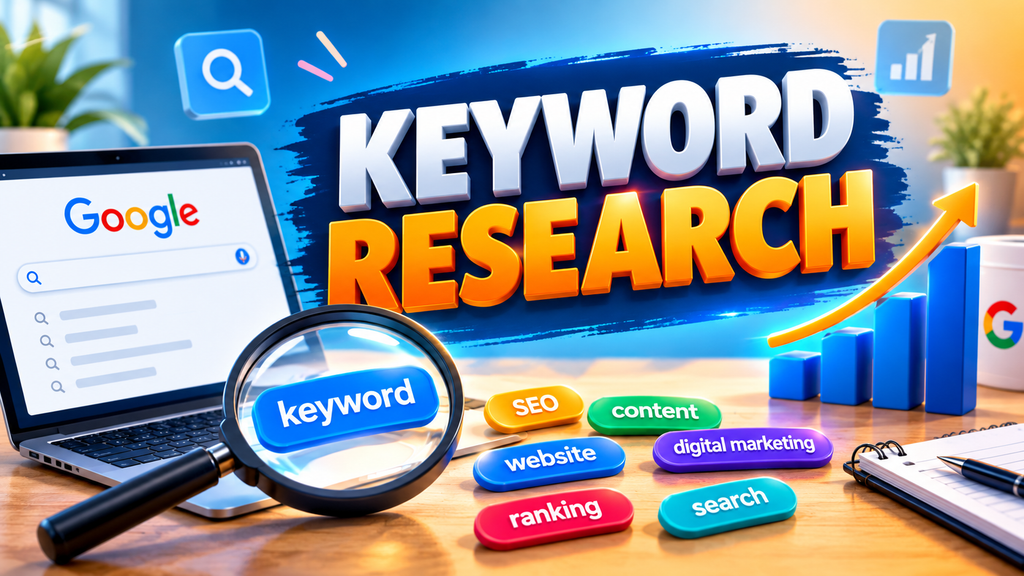
Keyword Research क्या होता है   Keyword Research SEO का सबसे महत्वपूर्ण हिस्सा है। इसमें हम यह पता लगाते हैं कि लोग Google या दूसरे search engines पर किसी जानकारी, product या service को खोजने के लिए कौन-कौन से शब्द (Meta Keywords) इस्तेमाल करते हैं। Keyword Research क्यों जरूरी है Keyword Research की मदद से हमें पता चलता है: Keyword Research के मुख्य Steps क्या है और Keyword Research करने का सही तरीका क्या है   1. अपने टाइटल के लिए keyword rich Topic चुनना सबसे पहले अपने business या website से related topic चुनें। 2. Keyword research की मदद से Seed Keyword बनाना Topic से जुड़े basic keywords निकालें।उदाहरण: SEO, Digital Marketing, SEO Course 3.Keyword research की मदद से Related Keywords ढूंढना मुख्य keyword से जुड़े दूसरे keywords खोजें। 4. Keyword research की मदद से Search Volume देखना कितने लोग उस keyword को search कर रहे हैं, यह देखना। 5. Keyword research की मदद से Keyword Difficulty/Competition देखना उस keyword पर rank करना कितना मुश्किल है, इसका अंदाजा लगाना। 6. User के Search Intent को समझना User वास्तव में क्या चाहता है—जानकारी, website, product या service?.   Example: अगर आपका topic “Digital Marketing” है, तो लोग search कर सकते हैं: Digital Marketing क्या है Digital Marketing Course Digital Marketing कैसे सीखें Digital Marketing Jobs  

SEO

What is SEO (Search Engine Optimization)?

Do you have a website or are you thinking about creating one? And do you want to attract more people to your business? If the answer to those questions is yes, then there’s no doubt about it: SEO should be part of your marketing efforts. It’s a great way to build your brand and get people on your site. But to do so, you need to start with the basics. So in this post, we’ll give you an understanding of what SEO is and how you can get started! Key Takeaways SEO stands for Search Engine Optimization, aimed at improving website visibility and attracting organic traffic. Search engines utilize a process of crawling, indexing, and ranking to display relevant results to users. SEO focuses on technical improvements, content optimization, and brand-building to meet audience intent and support business goals. There are different types of SEO, including ecommerce, local, and video SEO, each tailored for specific needs. Effective SEO requires ongoing effort and strategy, encompassing technical SEO, on-page, and off-page practices. What is SEO? The acronym SEO stands for Search Engine Optimization. Let’s start with a definition from one of our principal SEO experts at Yoast: SEO is the practice of improving a website and its content so it can be discovered, understood, and trusted when people search for relevant topics. Where this used to be focused on traditional search engines like Google and Bing, SEO now also helps content appear in AI-powered search experiences, chatbots, and other discovery platforms. SEO combines technical improvements, content optimization, and brand-building to increase visibility, attract the right audience, and support business goals. How SEO works So how does Google work? With search engines like Google, the process consists of crawling, indexing, and ranking. The crawler is an online bot that scours the web to collect all the pages out there and save them in a gigantic database called the index. This index is constantly updated with new pages or updated versions of existing ones. When someone searches online, the search engine calls on the index and uses complex algorithms to determine which pages are relevant to show. This determines the ranking of results shown to the online searcher. For example, when I search for the term ‘sustainable phone case’, these results are shown by Google. Based on my search term and the intent behind it, Google deems these results the best ones found in its index. Screenshot of Google’s results for ‘sustainable phone case’ Organic vs paid search SEO is focused on attracting more organic traffic to your website, traffic that comes to your site via unpaid search results. But as you can see in the image above, the search results also show ads and sponsored results. Often at the top of the page. To make a clear distinction, there are a few acronyms in use that are valuable to know: SEM: Search engine marketing entails all marketing efforts to show up in the search results, both through ads and organic results. SEO: SEO is the practice of improving a website to show up when people search for a relevant topic within any search platform. SEA: Search engine advertising is the practice of paying for ads that show up in the search results of relevant keywords. PPC: Pay-per-click. The advertising model used in SEA, where the advertiser pays a fee each time one of their ads is clicked. These paid results can allow you to show up as the top result for a search term, but it will cost you money every time a user clicks through to your website. When comparing SEO vs PPC, they both have their benefits and drawbacks. But more often than not, they complement each other well. SEO vs GEO With the constant changes in SEO and uprise of AI-powered search, there are a few other acronyms that you might have encountered. GEO (Generative Engine Optimization) being one that’s being talked about a lot online. This term focuses on optimizing to improve visibility in responses generated by AI tools. We want to emphasize that this is not a replacement for SEO. The Yoast perspective is that the acronym SEO still suffices. The fundamentals are the same, we just need to be aware of how applies to AI and other platforms like social media. Why SEO is important for site owners Huge volume of searches The reason that so many (big) companies heavily invest in SEO is the high impact that it can have when done right. To give you an idea, Google, the most-used search engine got around 8.3 billion searches per day in 2024. A number that has only gone up (and significantly) since 1998. So if you have a website, you want to make sure to show up in Google and other search platforms. SEO is intent-driven Online search is very intent-driven. Unlike other marketing channels, such as social media, where people happen to scroll upon your brand and content. This means you’re interrupting a user’s experience to capture their attention, which makes it more difficult to get them interested. Showing up in their search results aligns with an existing demand—your customers are actively seeking information, products, or solutions. This makes SEO a powerful inbound marketing strategy, where users come to you rather than the other way around. Because searchers already have intent, they are more likely to convert, making SEO an essential tool for attracting high-quality leads. Competitive advantage Creating a website and leaving it at that isn’t going to cut it. With new websites popping up left and right, it’s becoming increasingly difficult to get noticed and maintain customer loyalty. SEO can provide you with higher online visibility, a stronger brand, more authority in your field, more contact moments with your audience and higher quality traffic to your website (and/or offline location). All of this, leading to higher brand loyalty and more revenue. It’s not just about clicks Today, SEO is about more than earning clicks from search results. Your content may also be cited

Type of SEO image
SEO

क्या आपको SEO के बारे में ये बात पता थी?

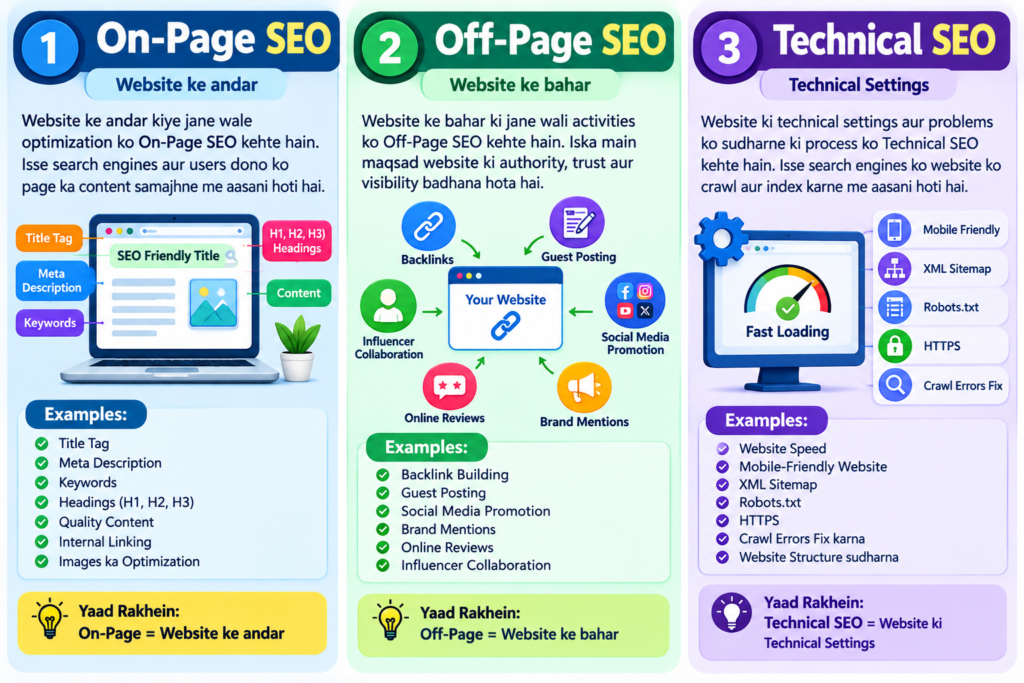
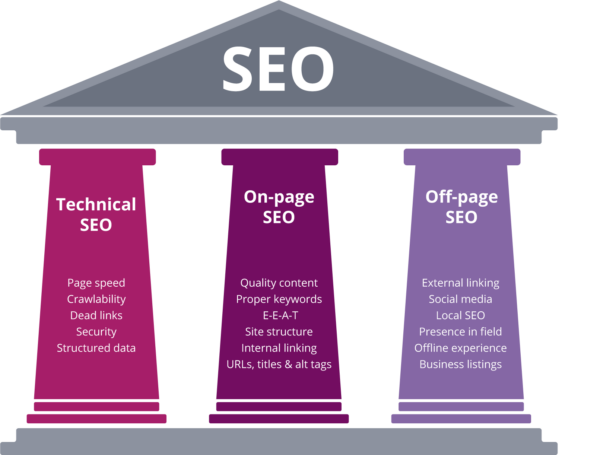
SEO के मुख्य 3 प्रकार हैं:- 1. On-Page SEO Website के अंदर किए जाने वाले optimization को On-Page SEO कहते हैं। इसका मतलब है कि हम अपनी website के content और pages को इस तरह optimize करते हैं कि Google और users दोनों आसानी से समझ सकें कि page किस बारे में है। Examples: याद रखें:- On-Page = Website के अंदर 2. Off-Page SEO Website के बाहर की जाने वाली SEO activities को Off-Page SEO कहते हैं। इसका मुख्य उद्देश्य website की authority, trust और visibility बढ़ाना होता है। Examples: याद रखें:– Off-Page = Website के बाहर 3. Technical SEO Website की technical settings और problems को सुधारने की प्रक्रिया को Technical SEO कहते हैं। इससे search engines को website को crawl और index करने में आसानी होती है। Examples: याद रखें:- Technical SEO = Website की Technical Settings

SEO क्या है
SEO

SEO का ये Secret समझ गए, तो Google समझ आ जाएगा!

आज के digital समय में लगभग हर business अपनी website को Google जैसे search engines पर दिखाना चाहता है। लेकिन केवल website बना लेने से उस पर visitors नहीं आते। Website को search results में बेहतर position दिलाने के लिए SEO का इस्तेमाल किया जाता है। अगर आप digital marketing सीख रहे हैं या अपनी website पर organic traffic बढ़ाना चाहते हैं, तो SEO को समझना बहुत जरूरी है। इस article में हम आसान हिंदी में जानेंगे कि SEO क्या है, SEO कैसे काम करता है, SEO के कितने प्रकार हैं, SEO क्यों जरूरी है और SEO कैसे सीख सकते हैं। SEO Kya Hai? SEO का पूरा नाम Search Engine Optimization है। SEO एक ऐसी प्रक्रिया है जिसके माध्यम से website और उसके content को search engines के लिए बेहतर बनाया जाता है, ताकि relevant searches पर website को आसानी से discover किया जा सके और organic traffic प्राप्त हो सके। उदाहरण के लिए, अगर कोई व्यक्ति Google पर “digital marketing kya hai” search करता है, तो Google कई websites को results में दिखाता है। Website को search engines के लिए अच्छी तरह optimize करने से उसके relevant search queries पर दिखाई देने की संभावना बेहतर हो सकती है। SEO Kaise Kaam Karta Hai? Search engines जैसे Google websites को समझने और search results तैयार करने के लिए कई processes का इस्तेमाल करते हैं। इन्हें आसान भाषा में तीन मुख्य steps में समझ सकते हैं: 1. Crawling Search engine के automated programs, जिन्हें crawlers या bots कहा जाता है, web pages को discover और crawl करते हैं। वे webpage के content, links और दूसरे available information को process करने के लिए collect करते हैं। 2. Indexing Crawling के बाद search engine page की information को अपने index में store कर सकता है। अगर search engine को page useful और eligible लगता है, तो वह relevant searches के लिए अपने index में उसे रख सकता है। 3. Ranking जब कोई user search करता है, search engine अपने systems के आधार पर relevant results को order में दिखाता है। इसलिए SEO का एक महत्वपूर्ण उद्देश्य website को search engine और users दोनों के लिए useful और accessible बनाना है। क्या आपको SEO के बारे में ये बात पता हैं? SEO के मुख्य 3 प्रकार हैं:-

Scroll to Top